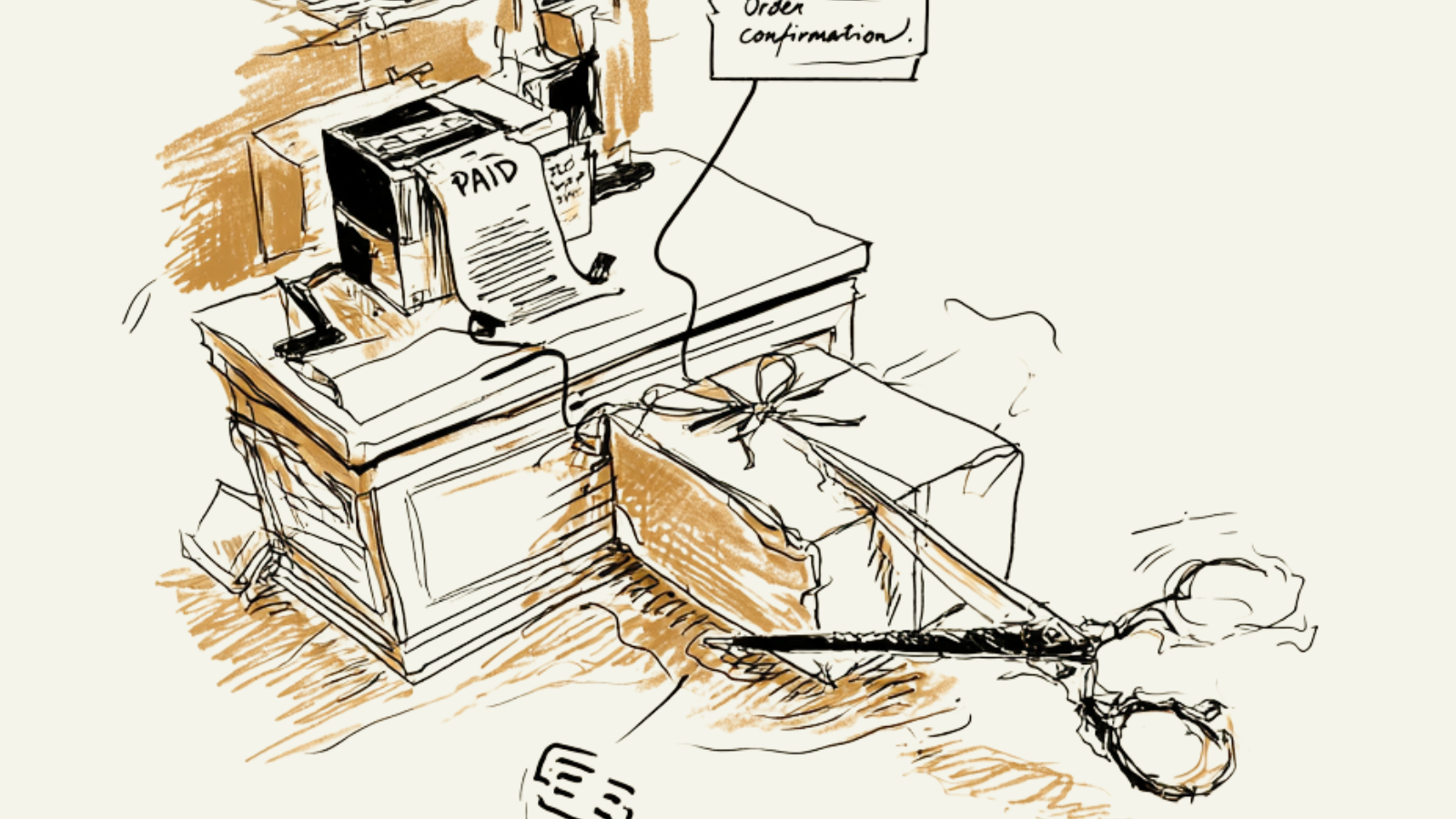
Can a seller cancel my order after I have paid?
Paying isn't always the moment the contract is formed — many retailers deliberately write their terms so it isn't.
Sometimes, and it's legal — it depends entirely on exactly when a binding contract was formed, which is usually spelled out (often unhelpfully) in the fine print of a retailer's terms and conditions. Many online sellers deliberately structure their terms so that placing an order and even paying for it is legally just an "offer" to buy — the contract isn't actually formed until the seller takes a further step, most commonly sending a dispatch or shipping confirmation. Cancelling before that point generally isn't a breach of contract; cancelling after it usually is.
Why "I paid" doesn't automatically mean "we have a deal"
This might seem backwards, but it's a deliberate and common structure, most visible in UK/EU retailer terms (though the same underlying logic shows up in US contract law too). A typical sequence looks like this:
- You place an order and pay — under many retailers' terms, this is legally just your "offer" to the seller
- The seller sends an order confirmation email — often, this still isn't full contractual acceptance, just acknowledgment they received your offer
- The seller sends a dispatch/shipping confirmation — this is commonly the actual moment of acceptance, forming the binding contract
If the seller cancels between steps 1 and 3, they're often within their contractual rights (assuming their terms say this and were available to you before you ordered) — frustrating as it is, this isn't automatically illegal.
How to tell which stage you're actually at
| What you've received | Contract likely formed? |
|---|---|
| Payment confirmation / order number only | Often not yet — check the seller's terms for their specific acceptance language |
| An email that explicitly says "order confirmed" but no shipping details | Depends entirely on the seller's specific wording — some treat this as acceptance, many don't |
| Dispatch or shipping confirmation, with tracking | Very likely yes — this is the most common point sellers designate as contract formation |
The only reliable way to know for certain is to check the specific retailer's terms and conditions (usually under a heading like "Order Acceptance" or "Formation of Contract") — this varies genuinely retailer to retailer, and there's no universal rule.
What to do if your order was cancelled
- Confirm you received a full refund of what you paid — this should happen regardless of when cancellation occurred.
- Check the seller's terms for their specific "when is the contract formed" language, and compare it against what you actually received before cancellation.
- If a dispatch/shipping confirmation was already sent before the cancellation, this is a stronger case that a contract existed and was breached — you may be entitled to more than just your refund if you suffered a specific, quantifiable loss (e.g. having to buy a replacement at a higher price).
- If no dispatch confirmation was sent, your legal position is weaker, though a pattern of sellers routinely cancelling orders after taking payment (sometimes to avoid a pricing error) is worth reporting to consumer protection authorities even without an individual breach claim.
Related questions
Official sources
Order cancelled after you'd already paid?
Use Kibbo's Shopping & E-Commerce tools to check the seller's own terms and draft a formal response.
Explore Shopping & E-Commerce tools →