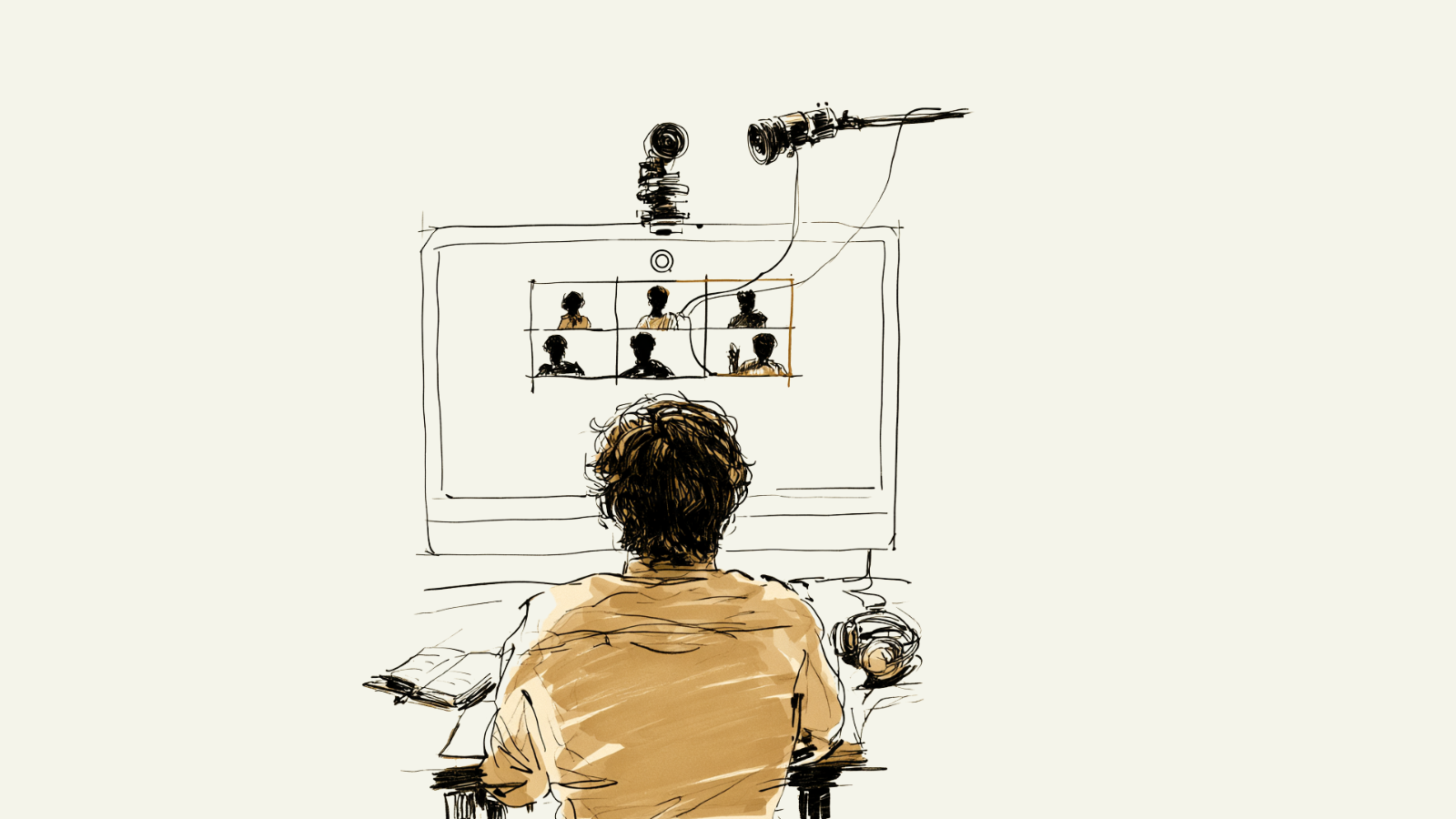
Can a Teacher Record an Online Class Without Asking Students?
FERPA and your state's recording law answer two different parts of this question — and both matter.
It depends on two separate legal questions that often get confused with each other: FERPA and your state's recording consent law. FERPA, the federal law protecting student education records, generally does not require an instructor to get consent just to make a class recording and use it within that same class — a recording shared only with the enrolled students for course purposes typically isn't a FERPA problem at all.
Where FERPA concerns come in is disclosure: sharing a recording that includes identifiable students with people outside that specific class — a different section, the public, or anyone not enrolled — generally does require student consent or that students be de-identified first. The act of recording itself is a different legal question, governed by your state's wiretapping or recording consent law, completely separate from FERPA.
What you're entitled to
- In a two-party or all-party consent state (a group that includes California, Connecticut, Florida, Illinois, Maryland, Massachusetts, Montana, Nevada, New Hampshire, Pennsylvania, Washington and others), to be notified and to have your consent obtained before an instructor records a class session, since recording without it can violate state law.
- Under FERPA, to not have a recording that identifies you shared outside your own class — with another section, the public, or anyone not enrolled — without your written consent or without you being de-identified from it first.
- Many university policies, separate from what the law strictly requires, commit to giving students advance notice of recording through the syllabus and an opportunity to have their image or voice excluded, especially for students with privacy concerns or disability accommodations.
What they can't do
- In an all-party consent state, record a class session without notifying students and obtaining their consent — this applies to instructors recording students just as much as it would to anyone else recording a conversation in that state.
- Share a class recording that identifies specific students with a different class section, the public, or any other unauthorized audience without written consent from those students or without removing their identifying information first.
- Publicly post grades or other identifying academic information alongside a shared recording without consent — that's a separate, clear FERPA violation regardless of the recording consent question.
Exceptions
Recordings that capture only the instructor, with no student participation or identifiable information, generally aren't an "education record" under FERPA at all, and using them freely doesn't raise the same concerns. The majority of US states are one-party consent states, meaning the instructor's own consent (as a participant) is sufficient to legally make the recording — only a minority of states require everyone's consent. Many universities also set their own policy requiring notice to students even in one-party consent states, as a matter of institutional practice rather than strict legal requirement, so your specific school's policy may be more protective than the legal minimum where you live.
What to do
- Check your state's wiretapping/recording consent law to know whether you're in a one-party or all-party consent state — this determines your baseline legal right to notice.
- Check your syllabus and your university's specific recording policy — many schools commit to notice and sometimes an opt-out, regardless of what state law strictly requires.
- If you're in an all-party consent state and were recorded without notice, you can raise this with your university's compliance or privacy office, and potentially with your state attorney general.
- If a recording that identifies you was shared outside your class without your consent, that's a FERPA issue you can raise with your university's registrar or FERPA compliance officer, and ultimately with the U.S. Department of Education.
Related questions
Official sources
If your state requires all-party consent and you weren't notified a class was being recorded, your university's privacy or compliance office — not just the instructor — is the right place to raise it.