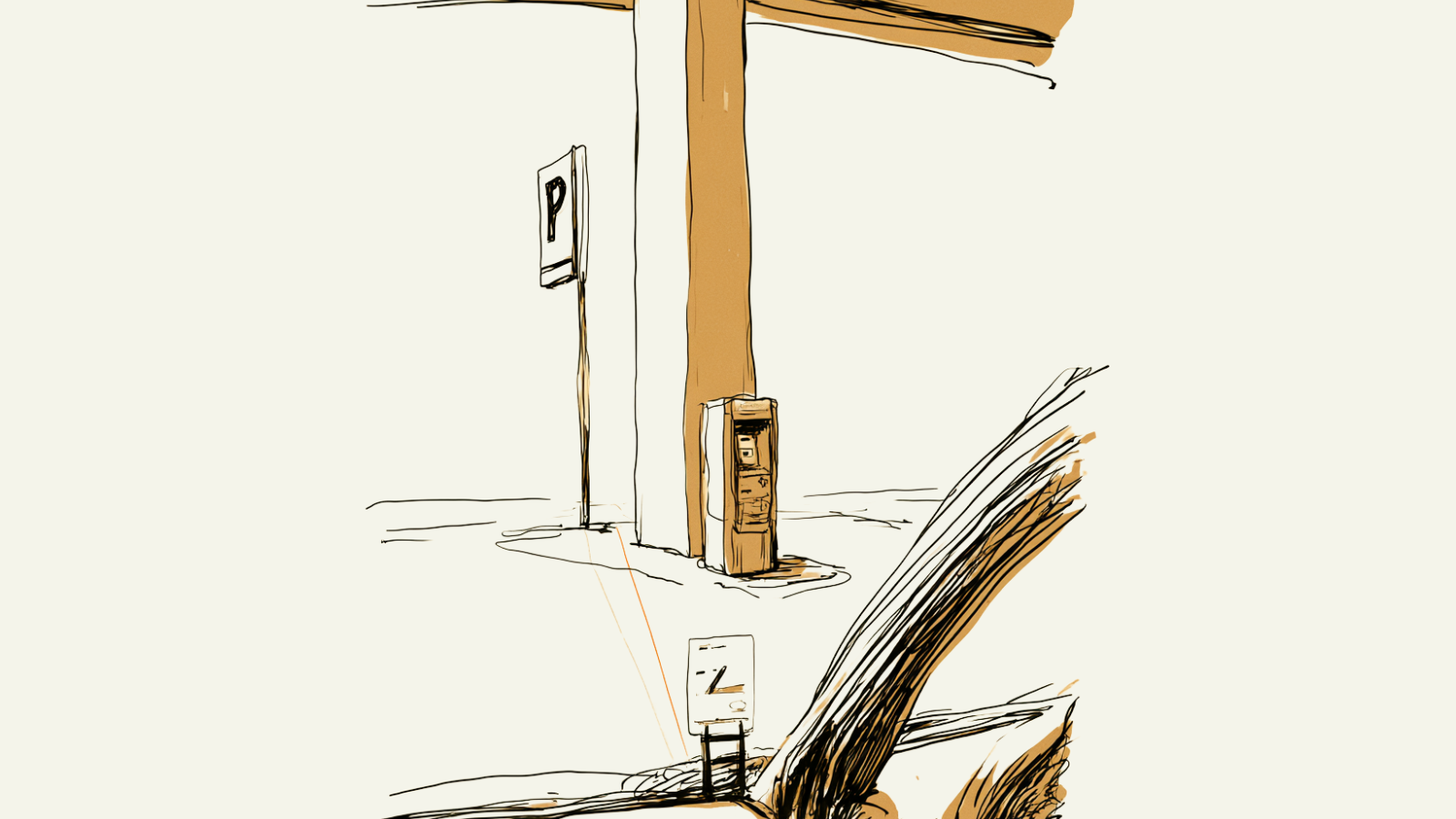
Can a parking company charge me if the signs weren't visible?
Poor signage isn't just an inconvenience — it can undermine the entire legal basis for the charge.
It's much harder for a parking company to enforce a charge if the signs weren't clearly visible. Private parking charges rest on contract law: by parking on the site, you're treated as accepting the terms displayed on the signage. If that signage wasn't prominent, legible, and reasonably placed for a driver to actually see before parking, the argument that you ever agreed to those terms is weak — and that's one of the strongest, most commonly successful grounds for appealing a parking charge notice.
What counts as legally adequate signage
| Signage feature | Why it matters |
|---|---|
| Placed at entry points | You need to see the terms before you decide to park, not just after |
| Legible and well-lit | Faded, tiny, or poorly lit text can't reasonably communicate terms |
| Unobstructed | Signs hidden by trees, other vehicles, or structures don't count as visible notice |
| States the tariff and charge amount | You need to know what you're agreeing to, including the penalty for breach |
| Repeated at reasonable intervals | Large car parks need multiple signs, not just one at the far entrance |
Industry codes of practice from bodies such as the British Parking Association and the International Parking Community set out these expectations in detail, and appeals services use them as the benchmark when assessing whether a charge is enforceable.
Why signage is the crux of the legal argument
A private parking charge isn't a fine in the traditional sense — it's framed as a contractual charge for breaching the terms of parking on that land. But a contract requires both parties to have had a genuine opportunity to know and accept its terms. If the signage failed to give you that opportunity, the operator's claim that a contract was ever formed becomes much weaker, which is why signage disputes succeed so often on appeal.
How to appeal on signage grounds
- Go back and photograph the site as soon as possible — entry points, any obstructions, lighting conditions, and the condition of the signs themselves.
- Note anything relevant: it was dark, a sign was missing or knocked down, foliage blocked the text, or the tariff wasn't stated.
- Write a clear, factual appeal to the parking operator explaining specifically why the signage failed to give reasonable notice of the terms — attach your photos.
- If the operator rejects your appeal, escalate to the relevant independent appeals service: POPLA for British Parking Association members, or the Independent Appeals Service for International Parking Community members.
- Keep all correspondence and evidence until the matter is fully resolved.
Related questions
Official sources
Got a parking charge notice you want to challenge?
Use Kibbo's Cars & Vehicles tools to build a signage-based appeal letter in minutes.
Explore Cars & Vehicles tools →