
Manipulation
Hard to Cancel
A cancellation flow deliberately buried behind multiple menus, forcing the user to hunt for an exit that should be one click away.
Dark Pattern Gallery
Ten manipulative design examples you meet online every day — recreated and annotated, with a plain-language breakdown of the trick behind each. Tap any card for the full explanation.
Pattern taxonomy based on the research of Harry Brignull, who coined the term “dark patterns” in 2010. Learn more at deceptive.design.
A cancellation flow deliberately buried behind multiple menus, forcing the user to hunt for an exit that should be one click away.
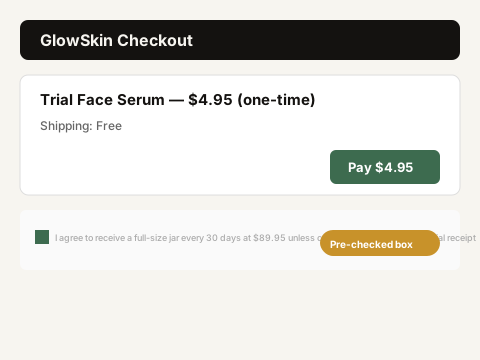
A recurring charge enabled by a pre-checked box in small, low-contrast text on what looks like a one-time purchase.
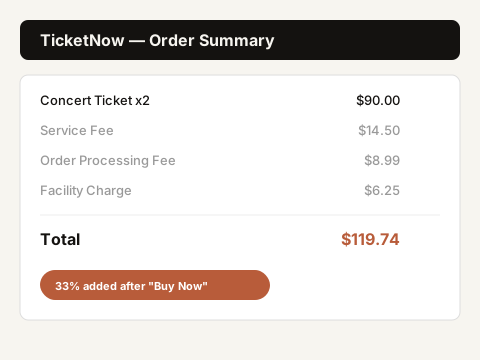
Extra service, processing, or handling fees that appear only at the final checkout step, inflating the price shown earlier.
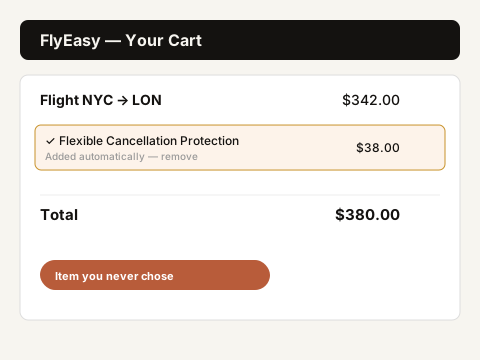
An extra item quietly added to the cart without the shopper's request, relying on them not noticing before paying.
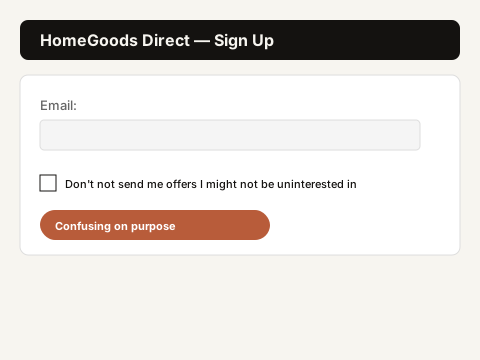
Confusing double-negative phrasing designed to make it unclear whether checking a box opts you in or out of something.
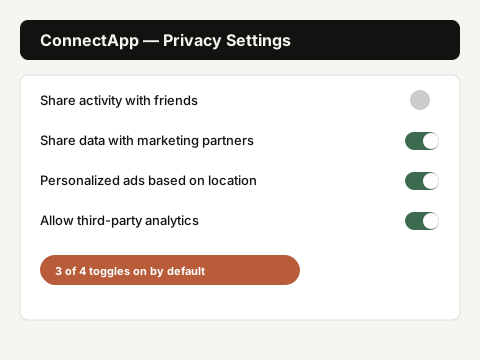
Data-sharing or marketing toggles switched on by default, requiring the user to notice and manually opt out.
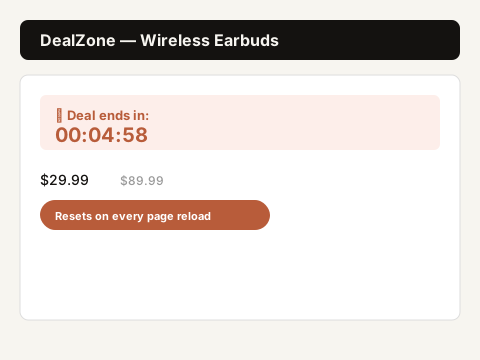
A countdown timer implying a deal is about to expire, which actually resets every time the page reloads.
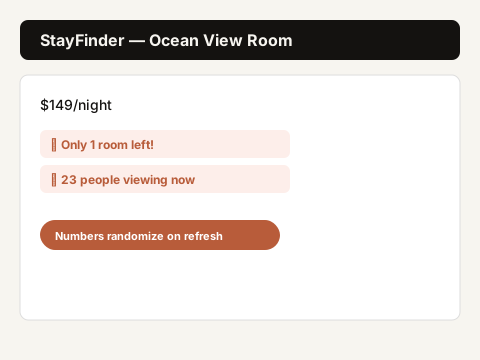
“Only 1 left” or fabricated live-viewer counts that regenerate randomly rather than reflecting real inventory or traffic.

A paid advertisement styled almost identically to organic content, with only a tiny, easy-to-miss “Ad” label.
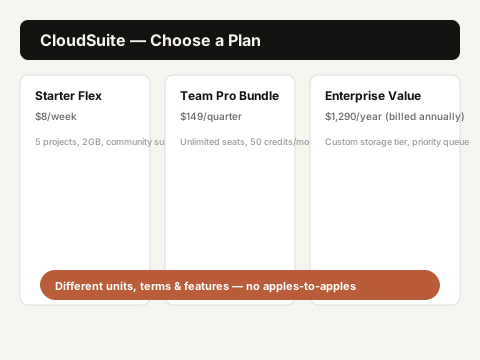
Pricing plans deliberately structured with different units, billing periods, and included features so no two plans can be compared on the same basis.
Harry Brignull's research turned “dark patterns” from an observation into a documented, named field that regulators and courts now reference directly. The examples on this page are original recreations built to illustrate patterns from his taxonomy — not copies of his site's content or screenshots — and we encourage anyone who wants the full academic depth on this topic to visit deceptive.design directly.